



Across the sweeping landscapes of East Africa, a quiet revolution is shaping the future of wildlife conservation. For decades, the safari experience was largely defined by national parks and protected areas. Today, however, the most important guardians of wildlife are not fences or park boundaries. They are the communities who live alongside these landscapes.
Community conservancies have emerged as one of the most effective models for protecting Africa’s wildlife while improving local livelihoods. These conservancies allow communities to set aside land for wildlife conservation while benefiting directly from sustainable tourism and conservation partnerships.
In regions such as northern Kenya and the Amboseli ecosystem, communities have become active stewards of their natural heritage. Land that once faced pressure from overgrazing, poaching, or unplanned development is now carefully managed to sustain wildlife corridors and restore fragile ecosystems. Tourism plays a central role in this transformation. Lodges and camps that partner with community conservancies create employment opportunities, support education initiatives, and invest in healthcare and infrastructure.
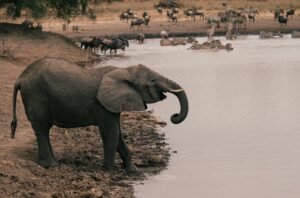
For travellers, visiting these areas offers a safari experience that feels more connected and meaningful. Game drives take place across landscapes where elephants, giraffes, and lions move freely between parks and community lands. Cultural exchanges with local communities reveal traditions shaped by centuries of coexistence with wildlife.
This model proves that conservation is strongest when local people are empowered to lead it. By ensuring that tourism revenue directly benefits communities, the incentive to protect wildlife becomes deeply rooted.
The result is a safari experience that does more than reveal the beauty of Africa’s wilderness. It actively contributes to preserving that beauty for generations to come.